What happened in South Burlington is not just about immigration. It's about unraveling the culture, economy, and food resilience of America's Brave Little State.
I love Vermont because of her hills and valleys, her scenery and invigorating climate, but most of all, because of her indomitable people. They are a race of pioneers who almost beggared themselves to serve others. If the spirit of liberty should vanish in other parts of the union and support of our institutions should languish, it could all be replenished from the generous store held by the people of this brave little state of Vermont.
-President Calvin Coolidge, September 1928 (read more context here)
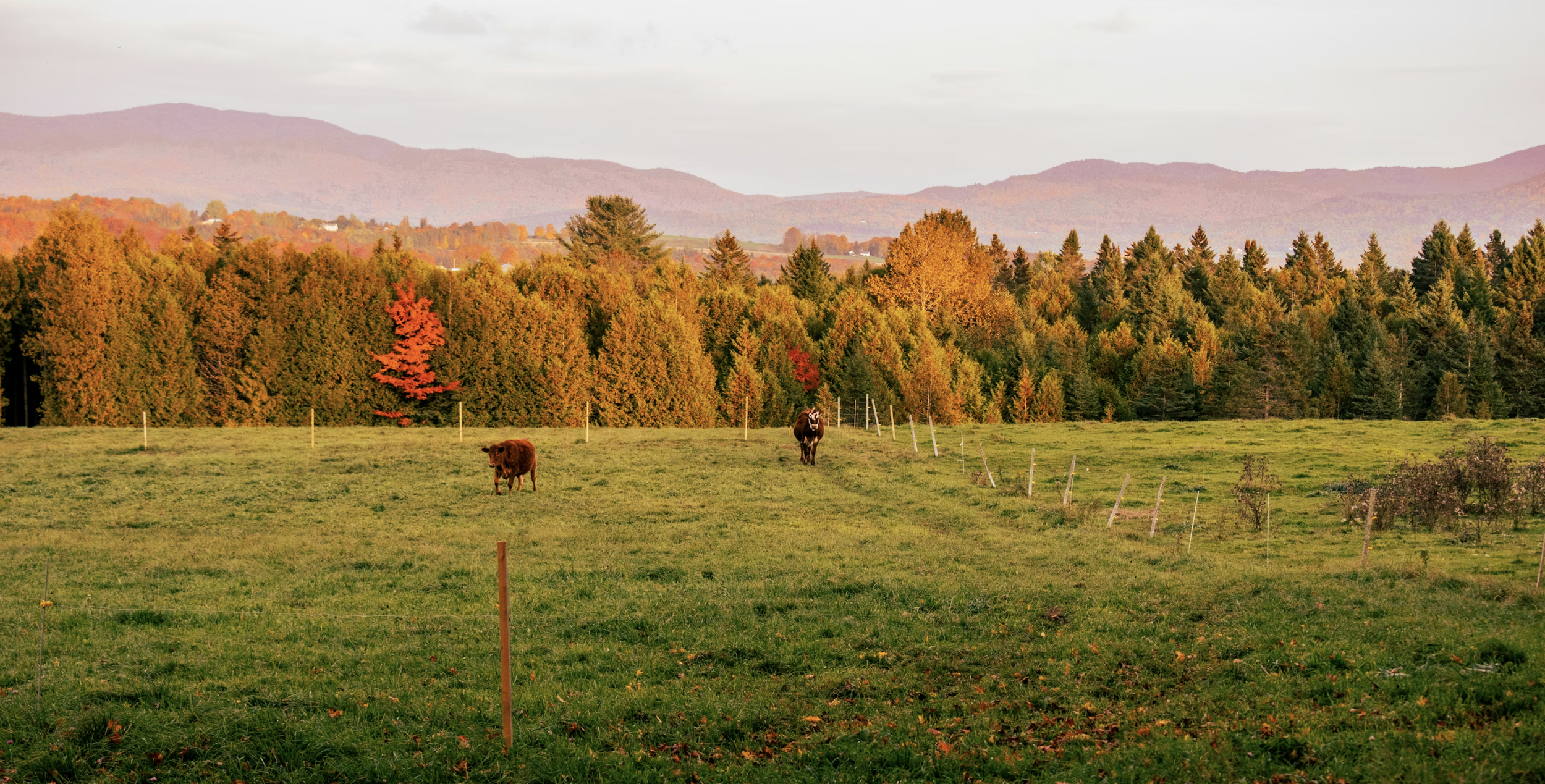
Cattle grazing in the fading autumn light in Sutton, Vermont.
Every state has stories it tells itself about itself.
As far as this Vermonter can tell, our favorite story is that when it counts, we are resourceful, smart, stubborn, and very neighborly people. We are full of grit. We do not abandon one another. We definitely do not back down.
We are, as Calvin Coolidge famously said, a “brave little state”.
That line about Vermont being the Brave Little State only means something, however, if we are willing to prove it when power comes hunting our neighbors…and if we aren’t willing to prove it, then we’re in bigger trouble than meets the March eye, and I don’t just mean existentially. I don’t just mean in the face of ICE.
I mean economically and - equally importantly - culturally.
Let me explain.
Tinfoil Hat Moment…or Connecting Obvious Dots?
If you’ll allow me to don my tinfoil hat for a moment, I want to tell you why Wednesday’s South Burlington ICE raid scares my autistic dot-connecting brain.
Will this make me sound like a total Cassandra? Maybe. Should you still listen? YES.
I’m afraid that what happened in South Burlington on March 11th was not merely an isolated incident. I think it wasn’t even just a test of whether our state will tolerate terror as policy, police bystanding as governance, or fear as a tool for weakening the indomitable Vermont spirit. My fear - and my thesis, really - is this: if we fail to see this as a purposefully-timed attack on the humanand agriculturalfoundations of this state(not just on one family or one community), we will fail to grasp how quickly these ripples can spread into our farms, our food systems, our economy, and our civic life. And ultimately, if we’re not careful, we will lose things things…forever.
What I’m saying (and hoping I’m wrong about) is that I think the coming weeks will prove that this incident was never meant to be isolated. I think it might be the kickoff of a Minnesota-esque ICE campaign…and I think the aim is to politically punish Vermont by destabilizing our agricultural economy, food security, farmland stability, and our entire way of life.
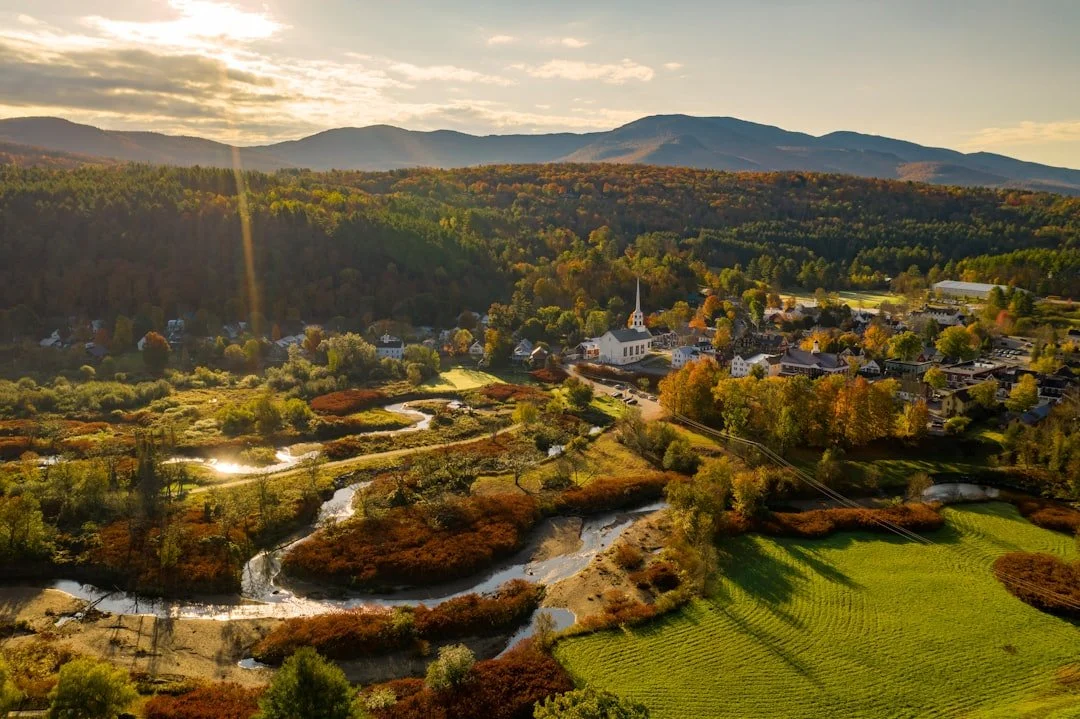
Does this look like a place that wants anything to do with ICE? Fuck no. We want to milk goats, grow flowers, and go to contra dances with our immigrant neighbors. If the states’ rights crowd actually believed what they profess, they’d leave us alone.
The real question is not whether we can prove beyond all doubt that this exact incident was planned as part of some elegant master strategy against Vermont. No one should flatter Trump by pretending this kind of damage requires genius - it does not. You do not need a brilliant, evil strategist to weaken Vermont - as with any state, obvious economic strengths are obvious vulnerability points.
All you need is:
a violent, extractive, and fragile-ego’d federal administration (check);
a local law force with no clear directives to protect citizens from ICE (check);
elected officials who issue polite public statements rather than catalyzing meaningful preparedness against federal occupation (check); and
an economy that heavily depends on people that this country exploits while actively criminalizing (check and double check).
The real question is what happens to the economy and culture of a small rural state when ICE fear enters a farm-based economy in March…
…right as the agricultural year is starting in earnest…
…in a year when war has already driven up fuel prices and destabilized food security.
Bad Timing
I mentioned earlier that I think the timing of the ICE clash is purposeful. If you live in Vermont, you know that this is not a sleepy moment on the state’s economic and cultural calendar. Sugaring season is upon us (and we produce more than any other U.S. state, and sometimes more than every other U.S. state combined). Lambs and calves are being born. Seeds are being started for summer crops. In plain English, the foundational work of feeding Vermont and keeping our economy strong is underway. Disruptions to the farm economy now do not stay in March…they roll forward into late spring, summer, and fall…and, yes, even into future years.
Cumulative Economic Strain…Where It Hurts Most
It’s key to note that Vermont’s already-strained dairy sector heavily relies on immigrant labor. Our dairy economy is not a decorative little piece of local culture we trot out for tourists. Even in crisis, as it has been for over a decade now, dairy is one of the structural beams holding up the state’s economy. More than half of Vermont’s farmland is dedicated to dairy and dairy crops, and the industry’s annual economic impact is about $5.4 billion. Around 2/3 of all Vermont’s ag exports are dairy. And 94% of surveyed dairy farms have hired migrant workers. Even if those numbers are lower in non-dairy sectors (like organic veg, meat, etc.), they’re far from zero. (Sources for this info can be found here, here, here, here and here. Sorry Squarespace doesn’t support footnotes.)
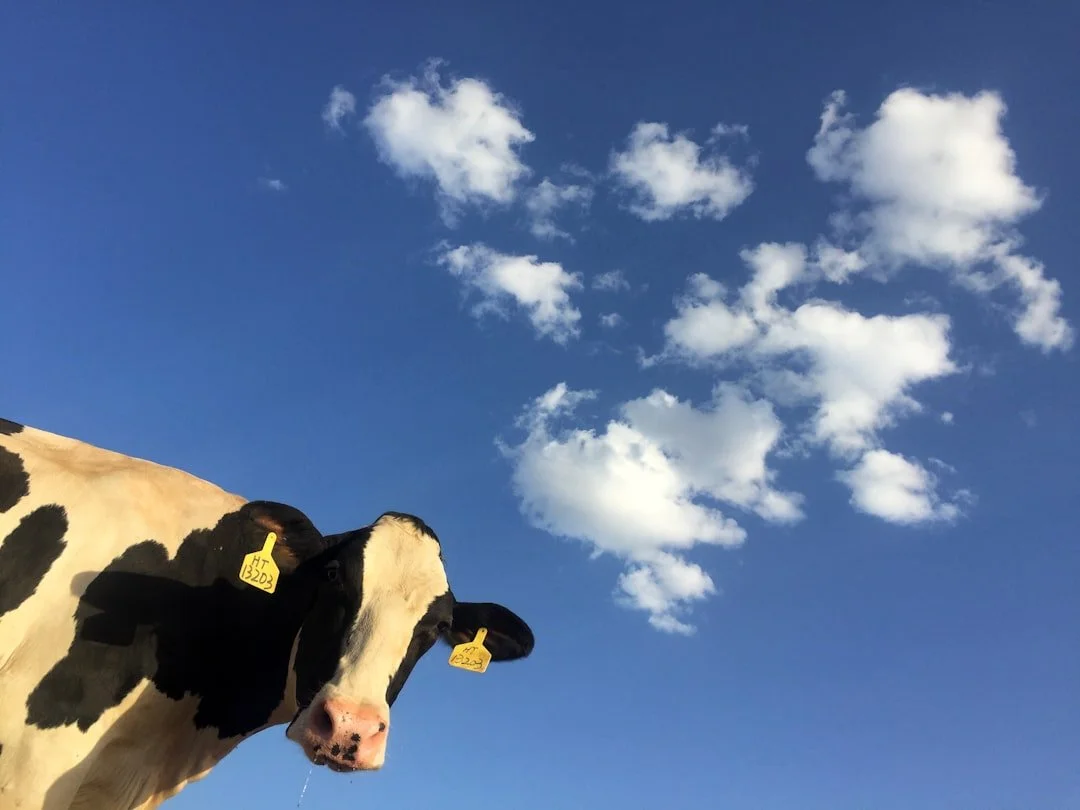
“Yo…ICE man…Gravy Seal…Meal Team Six…GTFO. I’m due for milking and you’re cramping my vibe.”
What does this all mean? It means an ICE action in one Vermont town does not only terrorize the people directly targeted - the blast ripples through our entire economic, food, and cultural system. And for farmers, fear itself becomes an input cost on top of already-spiking costs related to Trump & Netanyahu’s war on Iran. This one-two punch of pressures - soaring fuel and fertilizer costs + destabilization of our farm labor force - makes ICE’s 2026 Vermont debut feel just a little too purposeful to me. Add on top of that the impact that disruptions to daily cultural life have on farmer mental health, and you see that this is a recipe for peak burnout and farm destabilization.
So, let’s stack these pressures together and ponder the potential outcomes.
A labor force (of people who are often friends and valued community members, not “just workers”) gets terrorized. These good folks limit their movement because coming to and leaving the farm feels dangerous. Perhaps they can’t come to the farm at all. Meanwhile, fuel gets more expensive. Because fuel gets more expensive, all downstream inputs and outputs are more expensive and less profitable: seed, milk transport, you name it. Fertilizer gets more volatile. Farm credit lines stay tight. Farmers delay purchases, downshift plans, or gamble on thinner margins. Cows don’t get milked or rotated to new pasture. Crops don’t get harvested. Immigrant neighbors live in fear; concerned farmers and farmworkers do our best to protect them and in the process lose bandwidth to tend to our complex, bountiful food systems. Farmer mental health - already on eggshells for many - degrades further.
So what happens, ultimately, economically?
Food costs rise, slowly at first but then quickly and consistently. Consumers with the least cushion - including farmers and farmworkers themselves - get hit first. Families on the margins of being able to feed themselves no longer can. Agricultural exports garner less profit for farmers, impacting the statewide economy through reduced income tax revenue. With less tax money coming in at the state level, statewide public infrastructure (including public sector jobs) have scant funding. For farmers, thin margins become years in the red instead of in the black - stasis is barely possible; progress is out of the question. Deferred maintenance to soil, equipment, and infrastructure stacks up - compounding problems for 2027 and beyond. Farmers feel pressure to sell their land and move on. Generational knowledge is lost to time; farmland is lost to developers - some of them in bed with officials at the highest levels of government. Cheap condos and AI data centers replace fields of food. The fields of food that do remain (now in the hands of corporations) are grown with harmful chemicals, harvested with monolithic equipment, and sold to us at outrageous prices at stores owned by people who laugh at the rest of us from the decks of their yachts.
Again, as I said earlier, I hope I’m wrong.
The Human and Cultural Costs
This all matters culturally as much as economically - honestly more so.
Vermont likes to see itself as neighborly, principled, independent-minded, and truly kind (even when we’re not nice). We care for one another - even for folks we don’t always see eye-to-eye with. But a state that lets our migrant neighbors live in fear while happily consuming the milk, cheese, vegetables, and other outputs they help make possible is not practicing neighborliness - it is practicing hypocrisy. A state that talks a big game about independent spirit and local food while tolerating federal terror against the people who keep our food system moving is not being independent - it is being compliant and cowardly (and Ethan Allen would be ashamed).
When we as Vermonters bend the knee even a little, we signal to Washington that they can press forward a bit more…into our communities, our homes, and our farms. Polite diplomacy now can very likely result in even more downstream violence in our communities. If we don’t draw a line now, we’re not just losing a sense of safety for our immigrant neighbors - we’re opening the door to food shortages, farmer mental health crises, bankrupted farms…and an aura of dread hanging over us everywhere from the barn to the bank to the Wednesday night contra dance.
It never stops where it started.
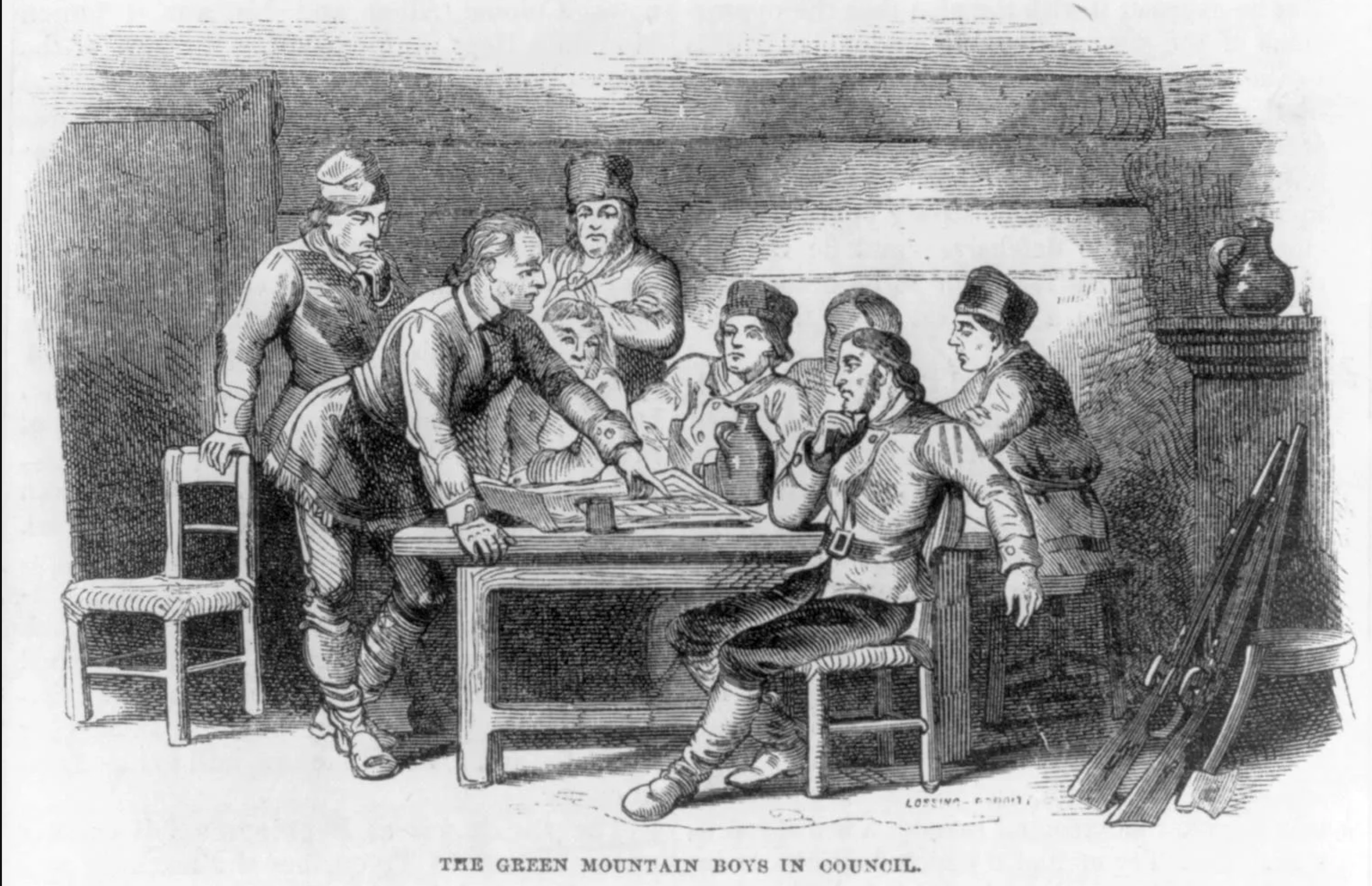
An 1858 woodcut of Ethan Allen (pointing at the map) and the Green Mountain Boys. Source: Library of Congress. Let’s make ‘em proud.
If I’m right about the purposeful timing of the ICE raid in South Burlington - right about ICE wanting Vermont to be the next Minnesota - then the ugliest long-term risk for Vermont is not just one bad season of farming in the midst of state-sanctioned violence. The ugliest long-term risk is cumulative exhaustion and wealth extraction that leads to irreversible cultural and economic homicide.
Farms that are already one equipment failure, one weather disaster, or one price swing away from serious trouble get pushed further toward the edge. Families who might otherwise hold on decide it is no longer worth it. More land changes hands. More working landscape becomes vulnerable to outside capital, speculation, or development pressure. More institutional knowledge disappears. More communities become dependent on supply chains and employers that care nothing about Vermont except as a place to extract profit.
Our bucolic state that was once a safe home to immigrant farmworkers who have joined the same farms for years at a time becomes home to uncertainty and terror instead.
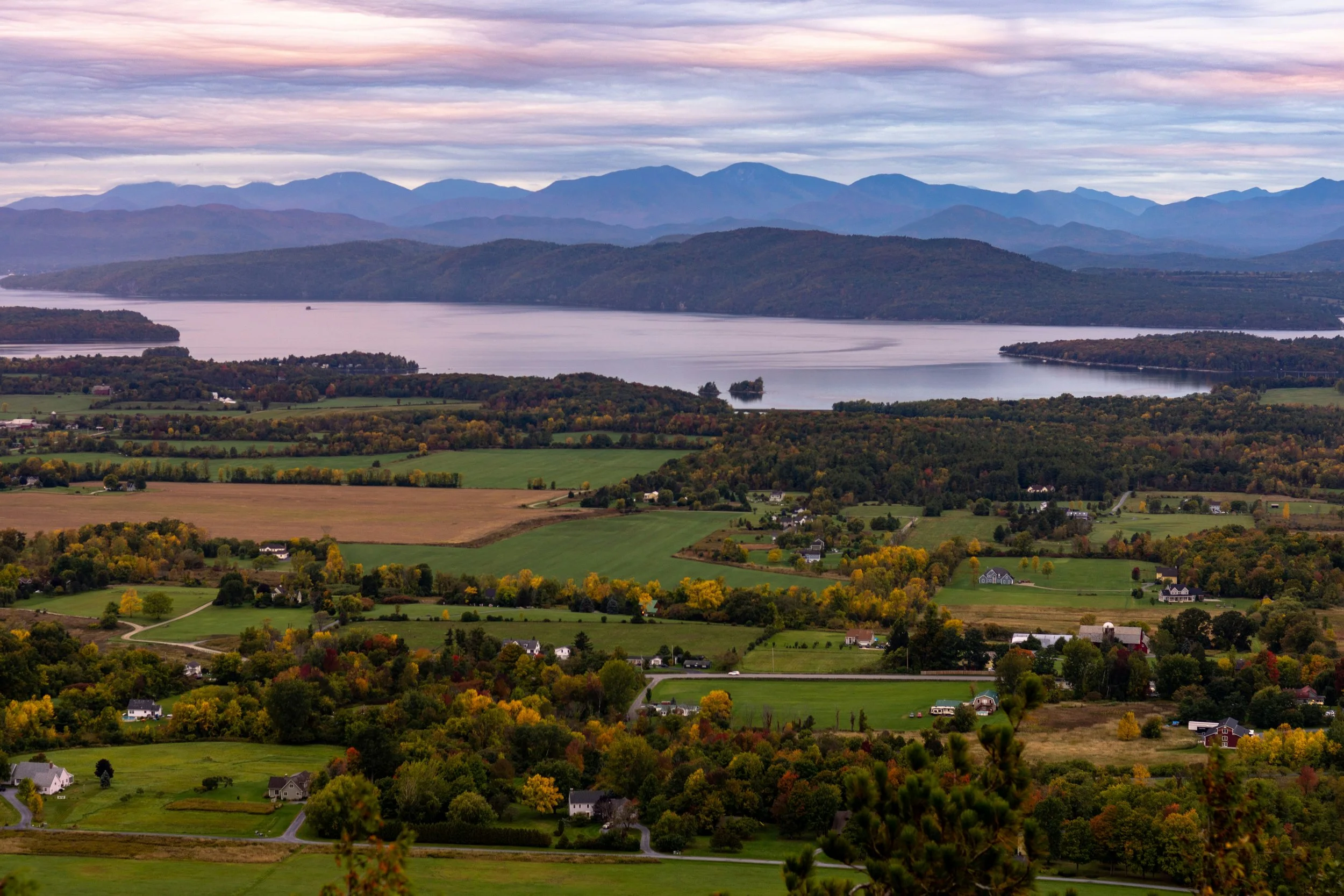
This is a place but it is also a feeling and a set of values anchored in neighborliness, grit, independence, and bravery - let’s not lose it on our watch.
This is how cruelty - even when dressed up as “enforcement” - can turn into food shortages, economic instability, and cultural decay months and even years later.
This is how an “isolated” incident of state violence becomes not only a food-security issue but also a threat to Vermont’s entire culture, economy, and ethos.
This is how a place gets hollowed out - not in one dramatic blow, but through repeated shocks, pervasive fear, cost increases, demoralization…and elected officials that keep acting surprised as our independence gives way to cowardice.
This is how being milquetoast now, in the face of what happened in South Burlington, loses Vermont our title of Brave Little State.
What Vermonters Can Do Now
First, support the people already doing the work. Migrant Justice said it activated its Rapid Response Network on the morning of the South Burlington action. Support that network with money, time, rides, translation, childcare, food, or whatever practical help you can offer. The point is not symbolic allyship. The point is reducing isolation and increasing community capacity fast. (Migrant Justice / Justicia Migrante)
Second, start treating farmworker safety as part of food-system infrastructure. If you care about local food, prove it. Build relationships with the farms you buy from. Ask what support looks like. Join or organize local phone trees, mutual-aid lists, and emergency logistics networks that can help families with groceries, rides, legal appointments, and child care when enforcement actions hit.
Third, move more of your food spending closer to home now…not six months from now when panic buying starts. Join a CSA. Buy meat, dairy, grains, and storage crops from local producers before summer scarcity or fall price spikes make everyone suddenly remember that local farms matter. Vermont has spent years trying to strengthen local food distribution and consumption for exactly this reason.
Fourth, start growing some of your own food or coordinating directly with neighbors who do to see how you can support them in those efforts. As a farmsteader that serves my neighborhood, I cannot advocate for this enough.
And if you’re a liberal or leftist agrarian who wants to grow more food for yourself or your community - or if you’re a farmer already doing it and you need moral support and mutual aid - I hope you’ll join the A.C.R.E. co-learning and mutual aid community (launching on March 20th).
Fifth, support the emergency aides of food security in your community. Vermont Foodbank reports many Vermonters are already struggling to afford basics like food, housing, and healthcare, and it is also helping people enroll in 3SquaresVT. Support the Foodbank, support local food shelves, and help people access benefits before more price shocks land. The households with the least room to absorb higher food and fuel costs will feel this first. (State of Working Vermont 2025 Report)
Finally, make state & local officials feel the heat. Demand that municipal and state law enforcement stop functioning as convenient logistical support for ICE. If those officers feel like they were put in a lose-lose situation rather than being proud of providing logistical support to fascist operations, that’s all the more reason for them to personally be advocating to keep ICE out of Vermont. Demand public accounting of law enforcement mutual-aid agreements; question their validity under the current circumstances of ICE’s track record; demand public review of and accountability for any use of force against protestors and any cooperation that turns local law enforcement into backup muscle for federal immigration terror. Call Governor Scott + your local legislators and demand quantifiable action - not just hot wind public statements - regarding restrictions against future ICE activity in Vermont.
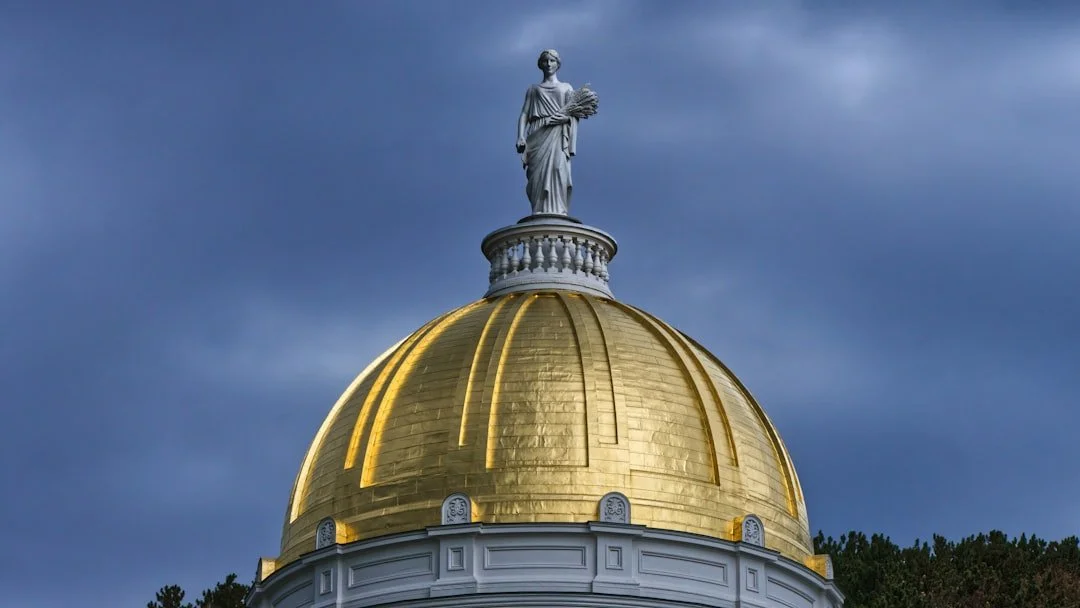
The goddess Ceres sits atop our statehouse. She isn’t just watching over us to wish us abundance and prosperity - she’s making sure we deserve that abundance. Let’s do right by her and earn it.
I would love to be wrong, folks. I really hope I am. I would love for this article to age badly. I would love for the fear to recede, for the raids to stop, for us to go back to breaking bread in peace with our immigrant neighbors and employees, for fuel prices to come back down, for fertilizer markets to stabilize, and for Vermont farms and farmers to get through the season without another round of trauma.
Hope is not a plan, though.
Only action will save us, and only if we’re swift…and brave.
We Vermonters should see this week for what it is: a warning shot to remind us that immigrant sovereignty, rural economic stability, community food security, and our beloved culture are the same fight.
Let’s rally our spirit of liberty and indomitable nature that Coolidge spoke of;
let’s lean into our neighborliness, resourcefulness, and grit;
let’s be the reason they still - and always will - call us the Brave Little State.